Growth Mindset for Kids: Building Confidence, Learning Skills, and Success Habits
Childhood is a critical stage where thinking patterns, emotional responses, and learning behaviors begin to take shape in meaningful ways. Studies in child development consistently show that early exposure to positive learning beliefs can significantly influence confidence, academic performance, and problem-solving ability later in life. When children are guided to understand that effort leads to improvement, they become more resilient and open to learning. This foundation is often described through the idea of a growth mindset kids approach, where young learners are encouraged to see challenges as opportunities rather than obstacles.
What does a growth mindset mean for children in simple terms?
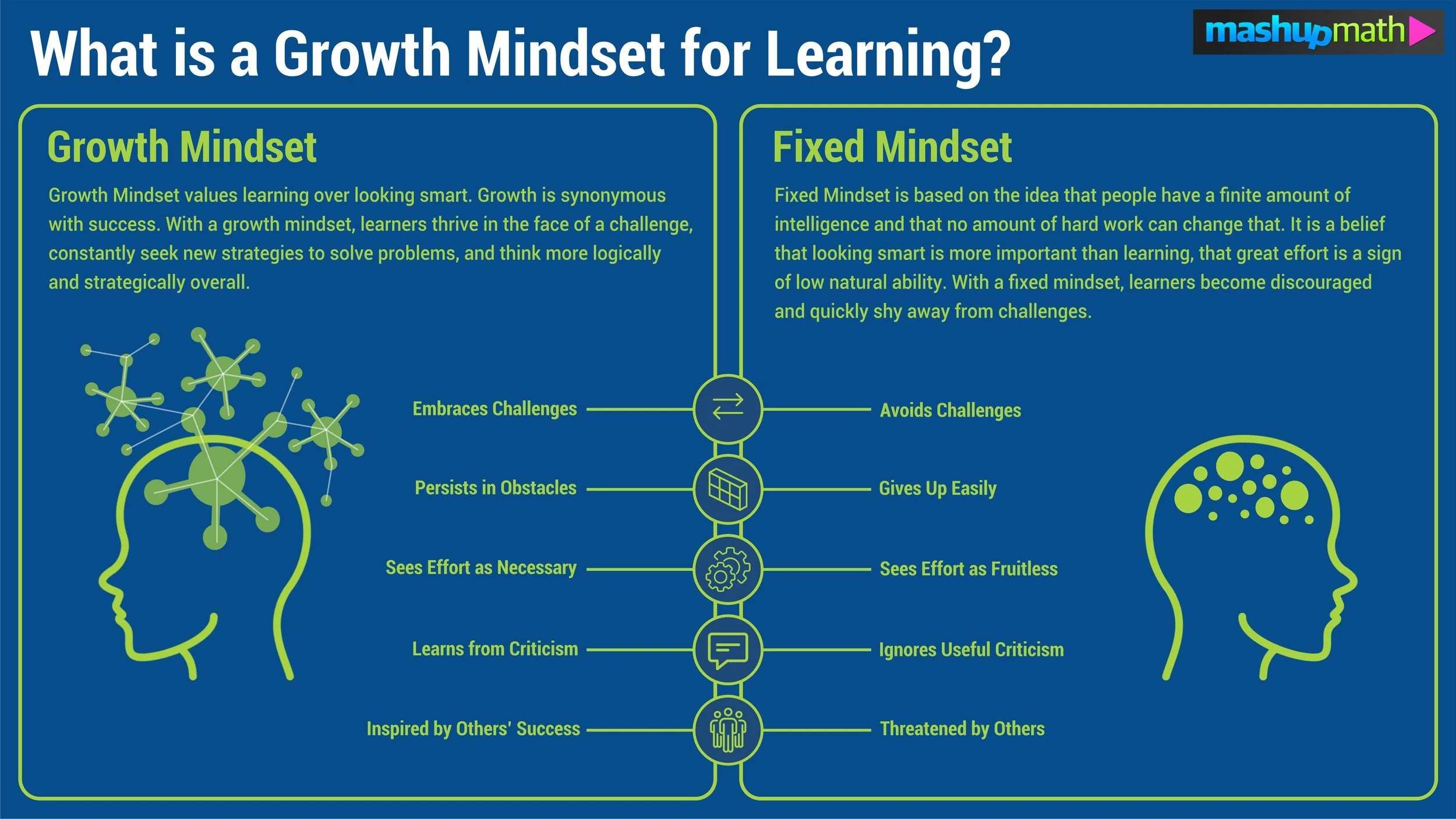
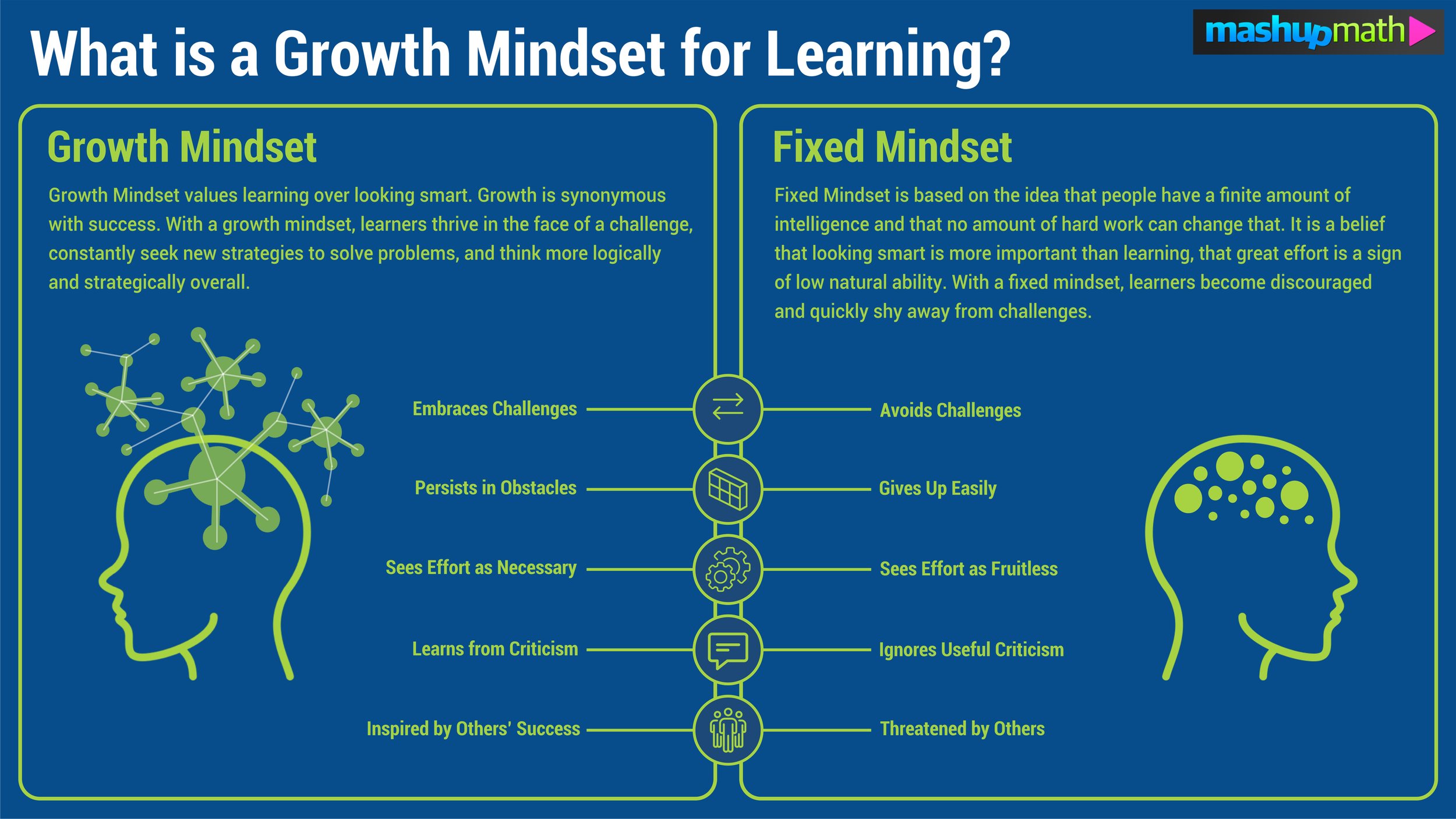
A growth mindset for children means helping them understand that their abilities are not fixed and can improve with practice. Instead of believing they are “good” or “bad” at something permanently, they learn that skills can be developed over time.
For example, a child who struggles with reading may feel discouraged initially. However, with a growth mindset, they begin to understand that regular practice and guidance will help them improve. This simple shift in thinking builds patience and encourages continuous learning.
Why is a growth mindset important during childhood development?
Childhood is when self-confidence and learning habits are formed. A growth mindset plays an important role in shaping how children respond to success and failure.
Children who develop this mindset tend to show higher levels of curiosity and persistence. They are less likely to give up when facing difficulties and more likely to try again after mistakes. This creates a strong foundation for lifelong learning and emotional resilience.
How does a growth mindset help children build confidence?
Confidence in children is closely linked to how they interpret their experiences. When children believe they can improve through effort, they become more willing to take on challenges.
Instead of fearing mistakes, they begin to see them as part of learning. Each small improvement reinforces their belief in their abilities, gradually building strong self-confidence. This confidence extends beyond academics into social interactions and everyday decision-making.
What role do parents play in developing a growth mindset?
Parents play a major role in shaping how children think about learning and effort. The way adults respond to mistakes, challenges, and achievements influences how children interpret their own abilities.
When parents encourage effort rather than focusing only on results, children learn that persistence matters. Simple actions like praising hard work, encouraging problem-solving, and supporting curiosity help reinforce positive learning behavior.
How can teachers support a growth mindset in classrooms?
Teachers contribute significantly by creating an environment where learning is valued over perfection. When students feel safe to make mistakes, they become more engaged and willing to participate.
Educators who emphasize progress, effort, and improvement help children understand that learning is a continuous journey. This approach encourages participation, teamwork, and creative thinking, which are essential skills for academic success.
How does a growth mindset improve learning skills in children?
Learning skills improve when children are willing to practice consistently and try new strategies. A growth mindset encourages this behavior by reducing fear of failure.
Children begin to focus on understanding rather than simply getting the right answer. This leads to deeper comprehension and better retention of knowledge. Over time, they become more independent learners who can solve problems effectively.
Why do some children struggle with setbacks while others improve?
The difference often lies in mindset. Children with a fixed mindset may view setbacks as proof that they are not capable, while those with a growth mindset see setbacks as temporary and fixable.
This difference in thinking affects motivation. Children who believe they can improve are more likely to keep trying, which eventually leads to better outcomes. This resilience is a key factor in long-term success.
How can daily habits support a growth mindset in kids?
Simple daily habits can reinforce a growth mindset in children. Encouraging them to reflect on what they learned each day helps build awareness of progress.
Allowing children to try new activities, even if they are challenging, also strengthens their willingness to learn. Celebrating effort rather than perfection teaches them that progress is more important than immediate success.
How does a growth mindset influence social skills?
A growth mindset also impacts how children interact with others. Children who believe in improvement tend to be more open to feedback and collaboration.
They are more likely to work well in groups, listen to different ideas, and resolve conflicts positively. This improves communication skills and helps build stronger relationships with peers.
Can a growth mindset help children handle failure better?
Yes, children with a growth mindset handle failure more effectively because they understand that mistakes are part of learning. Instead of feeling discouraged, they focus on what can be improved.
This reduces emotional stress and helps them recover quickly from setbacks. Over time, they develop emotional strength and a healthy attitude toward challenges.
How does consistency influence mindset development in children?
Consistency is essential because mindset development happens gradually. Repeated exposure to positive learning experiences helps children internalize the belief that effort leads to improvement.
When children consistently experience encouragement and support, their thinking patterns become more stable. This leads to long-term behavioral changes that support academic and personal growth.
Why is curiosity important in building a growth mindset?
Curiosity drives learning. Children who are naturally curious tend to ask more questions, explore new ideas, and seek understanding.
A growth mindset strengthens curiosity by reassuring children that it is okay not to know everything immediately. This encourages exploration and helps develop stronger cognitive and problem-solving skills.
Conclusion
A growth mindset plays a powerful role in shaping how children learn, think, and grow. By encouraging effort, curiosity, and resilience, it helps build confidence and strong learning habits from an early age. Children who develop this mindset are better equipped to handle challenges, learn from mistakes, and continue improving over time. When supported consistently by parents and teachers, it becomes a foundation for lifelong success, emotional strength, and positive personal development.