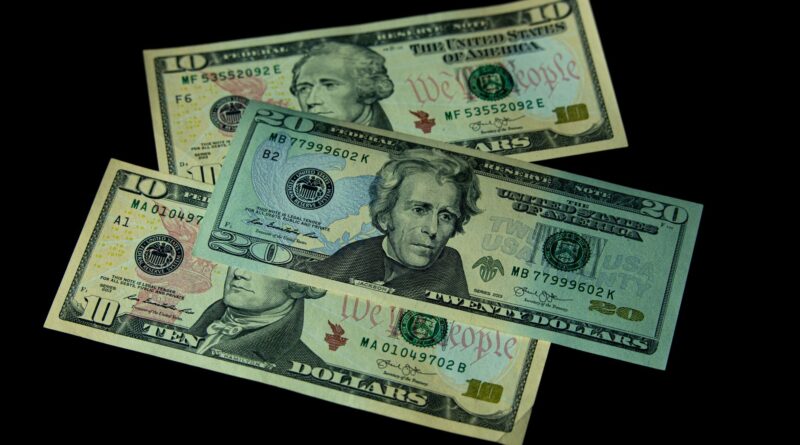
Dollar Firms Yen Wobbles: The Right Move Ahead of Fed Decisions
dollar firms yen wobbles as investors brace for crucial decisions from the Federal Reserve and Bank of Japan. Market sentiments are shifting, reflecting anticipation and uncertainty ahead of these pivotal announcements.
Market Overview
The currency markets have shown notable volatility as the dollar firms while the yen wobbles, approaching a seven-month high ahead of critical decisions from the Federal Reserve and the Bank of Japan. Traders are closely monitoring economic indicators and policy signals that could influence interest rates and currency strength.
Recent data has suggested that the U.S. economy remains resilient, which has contributed to the dollar’s strength. Meanwhile, the yen’s fluctuations reflect investor uncertainty regarding Japan’s monetary policy direction.
Key factors affecting market sentiment include:
- The upcoming Fed meeting and potential changes in interest rates.
- Statements from Bank of Japan officials regarding their economic outlook.
- Global economic trends impacting trade and investment flows.
As the dollar firms and the yen wobbles, investors are bracing for potential market shifts in response to these pivotal central bank decisions.
Impact of Fed Decisions
The recent fluctuations in currency values have drawn significant attention from investors, particularly as the dollar firms and the yen wobbles near a seven-month high. As the Federal Reserve approaches its decision-making period, market analysts are closely monitoring how these developments could impact economic stability.
Key factors influencing the Fed’s decisions include:
- The ongoing inflation rates and their implications for monetary policy.
- Global economic conditions that affect trade and investment flows.
- Market reactions to previous rate hikes and adjustments in fiscal strategy.
With the dollar strengthening, it may lead to increased pressure on the yen, creating potential challenges for Japan’s economy. Investors are keen to see how the Fed’s upcoming decisions will shape these currency dynamics in the near future.
BOJ’s Role in Currency Fluctuations
The Bank of Japan (BOJ) plays a crucial role in the fluctuations of the yen, especially as the dollar firms and the yen wobbles. Recent monetary policies have kept the BOJ’s interest rates at historic lows, which has led to increased volatility in the currency market.
Market analysts suggest that the BOJ’s approach to maintaining low rates is intended to stimulate economic growth. However, this strategy may have unintended consequences, particularly as the Federal Reserve deliberates its own rate adjustments.
As the dollar strengthens, the yen’s weakness becomes more pronounced, raising concerns about Japan’s export competitiveness. Observers are keenly watching how the BOJ will respond in the coming days, as shifts in policy could significantly impact the dynamic between these two currencies.
In summary, the BOJ’s decisions will be pivotal in determining the future trajectory of the yen amid a firming dollar.
Global Economic Trends
The current global economic landscape is witnessing significant fluctuations, particularly as the dollar firms and the yen wobbles near a seven-month high. Analysts are closely monitoring these shifts as they could have profound implications for international trade and investments.
Several key factors are influencing these trends:
- Interest Rates: Expectations regarding the Federal Reserve’s upcoming decisions are causing volatility in currency values.
- Inflation Rates: Persistently high inflation in various economies is prompting central banks to reassess their monetary policies.
- Global Uncertainties: Ongoing geopolitical tensions and supply chain disruptions are adding layers of complexity to the currency markets.
As investors navigate these dynamics, the interplay between the strengthening dollar and the wobbling yen will be crucial in shaping future economic strategies.
Investor Sentiment Analysis
Investor sentiment regarding the currency markets has shifted dramatically, especially as the dollar firms while the yen wobbles. This change comes as traders brace for upcoming Federal Reserve decisions, which could further influence market dynamics.
Among the factors contributing to this sentiment are:
- Interest Rate Expectations: Investors are keenly watching signals from the Fed, with many anticipating potential rate hikes.
- Geopolitical Tensions: Ongoing global uncertainties have made safe-haven assets more appealing, impacting currency flows.
- Economic Indicators: Recent data releases suggest a strong U.S. economy, bolstering the dollar.
The interplay of these elements has created a volatile atmosphere, leading to a cautious approach among traders as they navigate the implications of the dollar’s strength and the yen’s instability.
Historical Currency Movements
The currency market has witnessed significant fluctuations in recent years, with the dollar often strengthening against various currencies, including the yen. Historical data reveals that fluctuations in monetary policy and economic indicators can lead to sharp movements in exchange rates.
In the past, when the Federal Reserve has hinted at interest rate hikes, the dollar typically firms, while the yen wobbles in response due to differing monetary policies. Key events that influenced these movements include:
- The 2008 financial crisis, which saw the dollar surge as a safe-haven asset.
- The Bank of Japan’s aggressive monetary easing measures that led to a weakening yen.
- Recent geopolitical tensions that have affected global trade dynamics.
As we approach critical Fed and BOJ decisions, traders are closely monitoring these historical trends, anticipating how they might impact the current dollar-yen relationship.
Future Predictions
As the dollar firms and the yen wobbles near a seven-month high, market analysts are closely watching the implications of upcoming Federal Reserve (Fed) and Bank of Japan (BOJ) decisions. Speculation about interest rate adjustments could lead to further volatility in currency exchange rates.
Analysts predict that if the Fed continues its tightening policy, the dollar may strengthen even more, potentially exacerbating the yen’s instability. Conversely, if the BOJ signals a shift in its monetary stance, it could bolster the yen, providing relief to Japanese exporters.
In the coming weeks, investors are advised to monitor key economic indicators and central bank communications, as these factors will play a critical role in shaping future currency movements. The interplay between the dollar and the yen remains a focal point, with many anticipating significant changes in response to these pivotal decisions.
Conclusion
In conclusion, the current dynamics of the dollar and yen highlight a critical moment in the financial landscape. As the dollar firms, the yen wobbles, creating a complex interplay that investors must navigate. With the Federal Reserve’s upcoming decisions likely to influence market expectations, the strength of the dollar could be further solidified, while the yen may continue to face downward pressure.
Moreover, global economic trends and investor sentiment will play significant roles in shaping the trajectory of these currencies. The market is poised for volatility as traders react to both the Fed and Bank of Japan’s policy stances. Understanding the historical context of these movements will be essential for forecasting future trends.
Ultimately, staying informed about these developments remains crucial for investors as they strategize in a rapidly changing environment.
The recent trend where the dollar firms yen wobbles has raised questions among investors about the potential impact on upcoming economic policies. As the dollar firms yen wobbles, analysts are keenly observing how this dynamic might influence the Federal Reserve’s decisions in the near future.
Photo by Sergei Starostin on Pexels