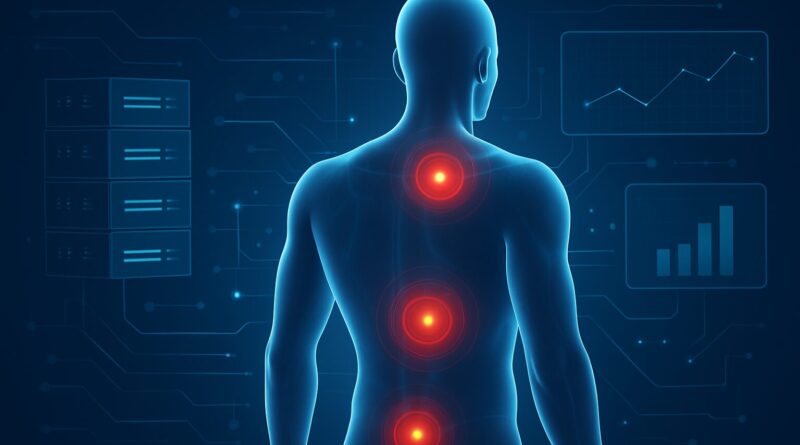
Dr Lauren Papa’s Commitment to Delivering Personalized Pain Solutions
Personalized medicine has become one of the most important advancements in modern healthcare, especially in the field of chronic pain management where each patient presents a unique combination of symptoms, causes, and recovery patterns. Instead of relying on generalized treatment models, healthcare providers are increasingly focusing on individualized strategies. In this evolving system, Dr Lauren Papa is recognized for a strong commitment to delivering tailored pain solutions that prioritize precision and patient well-being.
What does personalized pain care mean in modern healthcare systems?
Personalized pain care refers to treatment strategies designed specifically for an individual’s medical condition, lifestyle, and response to previous therapies. It moves beyond standard protocols by considering multiple influencing factors such as physical health, emotional state, and activity levels. Statistical insights from clinical studies show that personalized care approaches result in higher treatment success rates and improved patient satisfaction compared to generalized methods. This highlights the importance of customization in achieving effective pain relief outcomes.
How does personalization improve treatment effectiveness?
Personalization improves treatment effectiveness by ensuring that therapies directly address the underlying causes of pain rather than applying broad-spectrum solutions. When treatment is tailored, it reduces unnecessary interventions and enhances recovery efficiency. Clinical data suggests that patients receiving individualized care plans often experience more consistent improvements in mobility and pain reduction. This structured adaptability allows healthcare providers to refine treatment strategies based on ongoing patient feedback and measurable progress.
Why is individualized assessment important in pain management?
Individualized assessment is essential because chronic pain varies significantly from person to person in terms of intensity, origin, and duration. A detailed evaluation helps clinicians identify the most effective combination of therapies for each patient. Statistical reviews indicate that personalized assessment leads to more accurate diagnoses and better alignment between treatment and patient needs. This ensures that care is both targeted and efficient, minimizing trial-and-error approaches.
How does a patient-centered approach enhance recovery outcomes?
A patient-centered approach enhances recovery outcomes by involving individuals actively in their treatment journey. When patients understand their condition and participate in decision-making, adherence to treatment improves significantly. Research-based observations show that engagement-driven care models lead to better long-term stability and reduced recurrence of symptoms. This collaborative structure fosters trust and strengthens the effectiveness of personalized care strategies.
How is innovation supporting personalized pain solutions?
Innovation plays a major role in enabling personalized pain solutions through advanced diagnostics, digital tracking systems, and precision-based treatment technologies. These tools allow clinicians to gather real-time data and adjust therapies accordingly. In discussions around modern pain care advancements, Dr Lauren Papa LA CA is often referenced in relation to evolving approaches that integrate innovation with individualized treatment planning for improved patient outcomes.
What role does data play in creating personalized treatment plans?
Data is a critical component in developing personalized treatment plans as it provides measurable insights into patient progress and treatment response. By analyzing patterns in symptoms, recovery speed, and functional improvement, clinicians can optimize care strategies. Statistical evidence supports that data-driven personalization leads to higher treatment accuracy and better long-term results. This ensures that each patient receives a continuously refined care plan.
How do personalized solutions impact long-term pain management success?
Personalized solutions significantly impact long-term success by focusing on sustainable recovery rather than temporary symptom relief. Tailored care plans reduce the risk of recurrence and support consistent improvement over time. Healthcare data shows that individualized treatment approaches lead to higher long-term satisfaction rates and improved quality of life. This makes personalization a key factor in modern chronic pain management strategies.
How is personalized care shaping the future of pain medicine?
Personalized care is shaping the future of pain medicine by shifting the focus toward adaptive, patient-specific, and technology-supported treatment models. Healthcare systems are increasingly adopting individualized frameworks that integrate clinical expertise with real-time data analysis. This evolution reflects a broader trend toward more efficient, responsive, and outcome-driven care delivery in chronic pain management.
In conclusion, the emphasis on personalized pain solutions highlights a transformative shift in modern healthcare, where treatment is designed around the individual rather than the condition alone. By focusing on tailored strategies, continuous evaluation, and patient involvement, Dr Lauren Papa represents a commitment to delivering more precise, effective, and sustainable pain management solutions that enhance overall patient well-being.