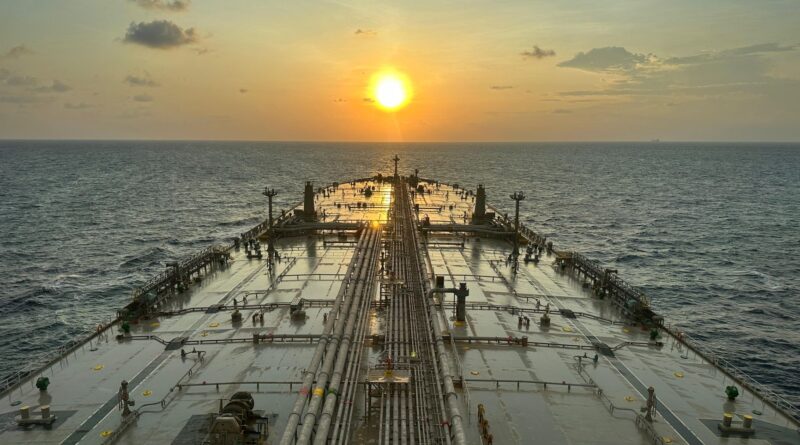
Oil Shipping Costs: Worst Surge in Supertanker Rates
oil shipping costs have seen a dramatic increase amid the ongoing Hormuz crisis, with rates for supertankers soaring more than eightfold. This surge presents significant challenges for the logistics industry.
Impact of the Hormuz Crisis on Shipping
The ongoing crisis in the Strait of Hormuz has led to a dramatic increase in oil shipping costs, particularly affecting the rates for supertankers. The region, a critical chokepoint for global oil supplies, has been marked by heightened tensions and geopolitical instability. As a result, shipping costs have soared, with supertanker rates experiencing an unprecedented eightfold increase.
This surge in oil shipping costs can be attributed to several factors:
- Increased Risk: Shipping through the Strait has become increasingly perilous, prompting insurers to raise premiums significantly.
- Supply Chain Disruptions: The crisis has led to delays and rerouting of oil shipments, further driving up costs.
- Market Volatility: Speculation about future supply shortages has caused prices to fluctuate wildly, impacting shipping contracts.
As companies scramble to secure safe passage for their oil shipments, the economic implications are profound, affecting not only shipping companies but also consumers worldwide. With the crisis showing no signs of abating, it remains to be seen how long these elevated oil shipping costs will persist.
Understanding Supertanker Rates
The recent surge in oil shipping costs has been largely attributed to the escalating rates for supertankers, which have experienced a dramatic increase. Understanding these rates is crucial for grasping the broader implications of the current oil market.
Supertanker rates are influenced by various factors, including:
- Demand and Supply: Increased demand for oil transportation, coupled with a limited supply of available supertankers, has driven rates to unprecedented levels.
- Geopolitical Tensions: Events like the Hormuz Crisis can lead to heightened risks in shipping routes, prompting shipping companies to charge higher premiums to cover potential threats.
- Fuel Prices: The cost of fuel directly impacts shipping rates, as higher fuel prices often lead to increased operational costs for tankers.
- Regulatory Changes: Stricter environmental regulations can result in additional expenses for shipping companies, which are then passed on to consumers through higher oil shipping costs.
As supertanker rates continue to soar, the implications for global oil markets and consumers remain significant, potentially influencing prices at the pump and the overall economy.
Factors Driving Oil Shipping Costs
The recent surge in oil shipping costs is attributed to several key factors, each contributing to the unprecedented rise in supertanker rates.
- Geopolitical Tensions: Ongoing conflicts in oil-rich regions, particularly around the Strait of Hormuz, have heightened risks for shipping routes. This instability has forced shipping companies to adjust their operations, leading to increased costs.
- Supply Chain Disruptions: The COVID-19 pandemic had already strained global supply chains, and the current crisis has exacerbated these issues. Delays in loading and unloading at ports have resulted in longer transit times, further driving up prices.
- Demand Fluctuations: As economies begin to recover, the demand for oil has surged. This resurgence in demand has outpaced the availability of supertankers, creating a competitive environment that pushes shipping costs higher.
- Regulatory Changes: New environmental regulations have also impacted the shipping industry. Compliance with stricter emissions standards often requires retrofitting vessels, adding to the overall operational costs.
These factors combined have created the perfect storm for oil shipping costs, resulting in the worst spike seen in years.
Logistics Challenges Ahead
The recent surge in oil shipping costs has raised significant concerns among industry experts regarding logistics challenges ahead. As the Hormuz crisis continues to disrupt maritime routes, the implications for global oil supply chains are becoming increasingly evident.
Logistics professionals are grappling with several factors that complicate oil transportation. First, the increased supertanker rates have put immense pressure on shipping companies, leading to higher costs that are often passed down the supply chain. This translates to elevated prices for consumers and businesses relying on oil products.
Moreover, the uncertainty surrounding geopolitical tensions in the region has prompted many shipping firms to reconsider their operational strategies. This includes:
- Re-routing vessels to avoid high-risk areas, which can lead to longer transit times and increased fuel consumption.
- Seeking alternative suppliers that may not be as reliable, potentially compromising quality and consistency.
- Investing in new technologies to mitigate costs, though this may take time to implement effectively.
As logistics challenges mount, stakeholders must adapt to an ever-changing environment shaped by rising oil shipping costs.
Future Predictions for Oil Prices
As the global oil market grapples with ongoing geopolitical tensions, the future predictions for oil prices remain uncertain. Analysts suggest that the recent surge in oil shipping costs, particularly among supertankers, could persist if the current conditions continue to unfold.
Several factors are anticipated to influence oil prices and shipping costs in the near future:
- Geopolitical Stability: A resolution to conflicts in key oil-producing regions may help stabilize shipping rates.
- OPEC Decisions: Production adjustments by the Organization of the Petroleum Exporting Countries could lead to fluctuations in oil supply and demand, impacting shipping costs.
- Environmental Regulations: Stricter regulations on emissions may increase operational expenses for shipping companies, which could be passed on to consumers.
- Technological Advancements: Innovations in shipping technology might reduce costs over time but require initial investments.
Ultimately, the outlook for oil shipping costs is tied closely to global economic conditions and the evolving landscape of energy production and transportation. Stakeholders are urged to remain vigilant as these dynamics could significantly affect future pricing strategies.
Photo by Punit Singh on Pexels