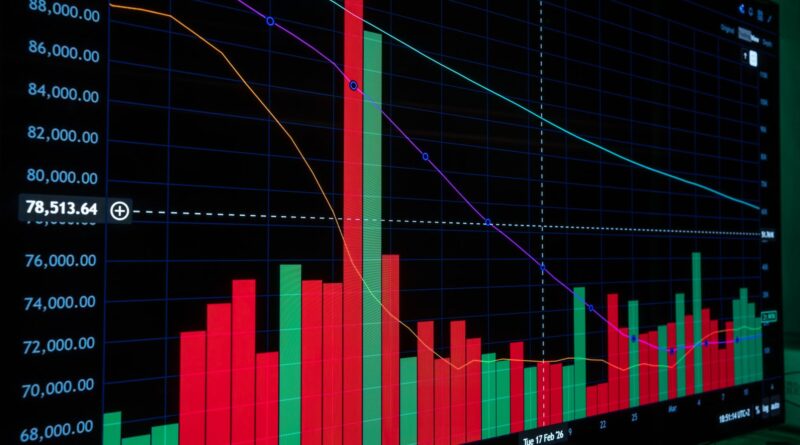
Solana Volatility Factors: Clear Risks and Proven Insights
Solana volatility factors are essential for investors looking to navigate the crypto landscape. Understanding these factors can help mitigate risks and capitalize on market movements.
Understanding Solana Volatility
Understanding the factors that contribute to Solana volatility is crucial for investors and analysts alike. The cryptocurrency landscape is often influenced by a variety of macroeconomic elements, regulatory changes, and market sentiment, all of which can significantly affect the price of Solana.
One of the primary drivers of volatility in Solana is the broader economic climate. Changes in interest rates, inflation, and investor confidence can create ripple effects that impact the entire crypto market. For instance, a rise in interest rates could lead to reduced liquidity, causing prices to fluctuate more dramatically.
Another important aspect to consider is the introduction of Exchange-Traded Funds (ETFs) that focus on cryptocurrencies. The launch of a Solana ETF could attract institutional investment, potentially stabilizing the asset. However, the initial volatility surrounding such announcements can lead to unpredictable price movements.
Furthermore, investor behavior and market psychology play a significant role in Solana’s volatility. Sudden news developments, whether positive or negative, can trigger rapid trading activity, leading to sharp price swings. The emotional responses of traders, often driven by fear or greed, can exacerbate these fluctuations.
In conclusion, understanding the volatility factors surrounding Solana requires a multifaceted approach, considering both macroeconomic indicators and market dynamics, to navigate the complexities of this digital asset.
Key Macro Factors Affecting Solana
The cryptocurrency market is inherently volatile, and Solana is no exception. Several key macro factors contribute significantly to the volatility of Solana and other cryptocurrencies.
- Global Economic Conditions: Economic stability or instability can greatly influence investor sentiment. Factors such as inflation rates, interest rates, and economic growth play a crucial role in determining how investors perceive assets like Solana.
- Regulatory Developments: Changes in regulations across different countries can impact Solana’s market presence. News regarding stricter regulations or favorable policies can lead to rapid price fluctuations.
- Market Sentiment: The overall sentiment within the cryptocurrency community can affect Solana’s volatility. Positive news, such as partnerships or technological advancements, can drive prices up, while negative news can have the opposite effect.
- Technological Changes: Upgrades or changes in Solana’s protocol can create uncertainty. For example, issues with network performance or security can lead to a decline in investor confidence.
- Broader Market Trends: Trends in the broader financial market, including stock market performance and other asset classes, can also influence Solana’s volatility factors. Investors often shift their portfolios based on performance across different sectors.
Understanding these macro factors is essential for investors looking to navigate the complexities of Solana’s volatility effectively.
The Role of ETFs in Crypto
The emergence of exchange-traded funds (ETFs) has significantly influenced the landscape of cryptocurrency investments, including Solana. ETFs provide a structured way for investors to gain exposure to crypto assets without needing to manage the complexities of direct ownership. This accessibility can lead to increased trading volume and interest in Solana, further amplifying its volatility.
As more ETFs focused on cryptocurrencies enter the market, they attract a diverse range of investors, from retail to institutional. This influx can create sharp price movements, both upward and downward, as large trades impact market sentiment. The connection between Solana volatility factors and ETF activities is particularly notable during periods of market speculation or regulatory announcements.
- Increased Liquidity: ETFs can enhance market liquidity, allowing for quicker price adjustments in response to news and events.
- Market Sentiment: The launch or approval of a new ETF can lead to bullish sentiment, while rejections or underperformance can have the opposite effect.
- Portfolio Diversification: Investors using ETFs to diversify their portfolios may inadvertently increase Solana’s price volatility as they adjust allocations based on market trends.
In understanding Solana volatility factors, recognizing the role of ETFs is crucial. Their influence can create a ripple effect through the market, impacting not only Solana but the broader cryptocurrency ecosystem.
Risk Management Strategies for Investors
Investors in Solana must be equipped with effective risk management strategies to navigate the inherent volatility factors associated with this cryptocurrency. Understanding these factors can greatly enhance decision-making and safeguard investments.
One fundamental strategy is to diversify investment portfolios. By spreading investments across various assets, including cryptocurrencies and traditional securities, investors can mitigate the risks associated with Solana’s price fluctuations.
Another important approach is to set clear stop-loss orders. This practice allows investors to limit potential losses by automatically selling their assets when prices fall to a predetermined level. Implementing such measures can provide peace of mind and prevent emotional decision-making during periods of heightened volatility.
Additionally, staying informed about market trends and developments is essential. Regularly monitoring news related to Solana and broader macroeconomic indicators can provide insights into potential volatility triggers. Investors should also consider utilizing technical analysis to identify trends and price patterns that may signal upcoming price movements.
Finally, engaging with the community and participating in discussions on platforms like forums or social media can offer valuable perspectives on market sentiment. By combining these strategies, investors can better manage the risks associated with Solana volatility factors, ultimately enhancing their potential for success in the dynamic cryptocurrency landscape.
Understanding the Solana volatility factors is crucial for investors looking to navigate its unpredictable market. By analyzing historical trends and market sentiment, we can better assess the potential risks associated with these Solana volatility factors.
Photo by Rafael Minguet Delgado on Pexels